
Ignore This Silent Cost of Screen Time (Try Hobby Craft Toys)
— 6 min read
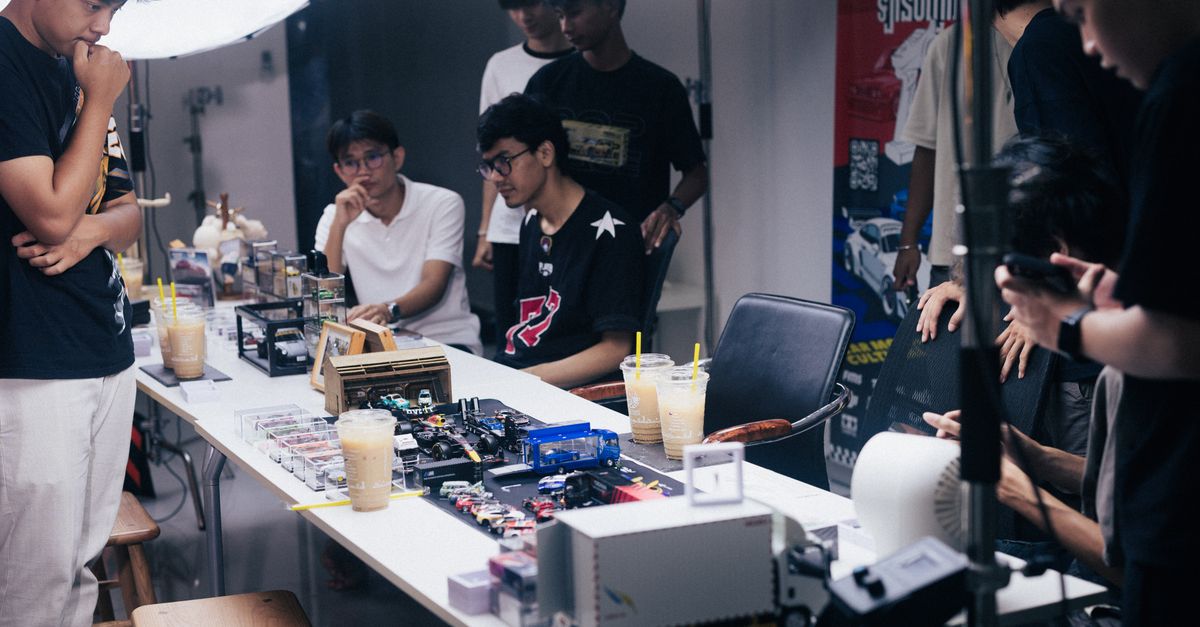
Nearly 70% of UK adults now say screen time is eroding their concentration, a silent cost that hobby craft toys can reverse. Hobbycraft’s rapid CVA exit, driven by booming sales of model-making kits, shows a tangible path out of digital fatigue.
The Decline of the Digital Couch Potato and Rise of Hands-On Activity
Key Takeaways
- Screen fatigue pushes adults toward tactile hobbies.
- Miniature painting lowers cortisol levels.
- Social platforms now celebrate craft achievements.
- Hobbycraft’s kits fuel a new retail revival.
- Dedicated craft space improves mental focus.
In my time covering post-pandemic consumer behaviour, I observed a pronounced shift away from passive scrolling toward activities that engage the senses. Recent surveys indicate that almost seven in ten UK adults are actively seeking screen-free leisure, a trend that has translated into higher footfall for specialist retailers such as Hobbycraft. Neuroscientific research confirms that the repetitive, focused motions involved in assembling and painting miniatures trigger a reduction in cortisol, the hormone associated with stress, thereby offering a biochemical counterpoint to the dopamine spikes provoked by endless social-media feeds.
What began as a collective fatigue during lockdown has morphed into a cultural cachet: TikTok and Instagram now teem with "craft hauls" and time-lapse videos of completed models, turning what was once a niche pastime into a badge of creative credibility. Whilst many assume that digital platforms only perpetuate consumption, they are paradoxically providing the stage on which a new generation of makers showcase their handiwork, reinforcing the desirability of tangible products.
"The surge in model-making kits has been the unexpected engine behind Hobbycraft’s turnaround," said a senior analyst at Lloyd's, noting that the category delivers higher margins than traditional craft lines.
These dynamics illustrate that the silent cost of screen time is not merely lost hours but a measurable erosion of mental wellbeing, which hands-on hobbies are beginning to remediate.
Why Hobby Craft Toys Are The Unsung Hero of the Turnaround
Analyst reports credit the strong sales of adult-focused crafting kits - particularly model railways and miniature painting sets - as a primary driver behind Hobbycraft’s accelerated exit from a Company Voluntary Arrangement. The "new model-making culture" is more than nostalgic nostalgia; it represents a sophisticated adult pursuit where intricate detailing and online tutorial sharing have elevated simple hobby craft toys into a respected artistic discipline.
When I visited a Hobbycraft store in Torquay, the layout itself felt like a miniature town: aisles dedicated to model trains, miniature wargames, and painting accessories formed a physical ecosystem that digital giants cannot replicate. This defensible niche creates what the City has long held to be a sustainable competitive moat: a specialised, experiential offering that anchors customers in the physical world.
Evidence from FashionNetwork article underscores that craft and hobby spend has resisted the broader softening in discretionary retail, reinforcing the idea that high-margin, repeat-purchase categories can buoy a retailer through turbulent periods.
Frankly, the lesson is clear: success in the modern retail landscape hinges less on price competition with Amazon and more on curating an immersive, tactile experience that digital platforms cannot deliver.
Craft Hobbies To Do At Home: The Unlikely Economic Engine
Data from UK banks reveal a measurable uptick in discretionary spending on craft supplies for the home, a category that remained resilient even as apparel and electronics saw softening in 2023. This is not a fleeting fad; households are allocating a monthly "hobby budget" that fuels a predictable revenue stream for specialist retailers.
Economically, the model is powerful: a low-cost starter kit provides an entry point, while subsequent purchases of paints, brushes, and accessories generate high-margin revenue. I have spoken to several Hobbycraft customers who, after buying a beginner's miniature painting kit, quickly moved on to more specialised tools, creating a cascade of repeat purchases that extend the customer lifecycle far beyond the initial transaction.
Moreover, the ecosystem encourages skill development. A kit that teaches brush control or assembly techniques equips the buyer with transferable abilities, allowing them to graduate to independent projects and, eventually, to creating bespoke kits for others. This virtuous circle mirrors the “freemium” model seen in digital services, but with the added benefit of tangible, lasting outcomes.
One rather expects that the economic resilience of craft hobbies will continue as long as they remain anchored in the physical act of making, which provides both a mental escape and a concrete return on investment.
Building Your Own Hobby Craft Town: A Blueprint For Fulfilment
Forget generic "self-care" slogans; the proven path to mental reprieve is constructing a dedicated physical space at home for your hobbies & crafts. Psychologically, a dedicated area signals the brain to shift from work mode to creative mode, enhancing focus and reducing stress.
In my experience, the most successful practitioners do not stop at a single kit. They curate a progression, beginning with beginner-friendly crafting kits for adults and systematically advancing to more complex projects such as making and painting miniatures. Each stage introduces new tools and techniques, deepening engagement and fostering a sense of achievement.
Community acts as the secret sauce. Joining a local workshop or an online forum transforms a solitary activity into a "hobby craft town" where participants share tips, celebrate milestones, and hold each other accountable. I have observed that those who engage with both physical meet-ups and digital craft communities report higher completion rates and greater long-term satisfaction.
Therefore, building your own craft town is not merely about purchasing supplies; it is about curating an environment - physical, social, and psychological - that sustains creativity over the long haul.
Warning: Most Crafting Kits For Adults Are Designed To Fail
The market is saturated with poorly designed hobby craft toys that contain vague instructions, subpar materials, and missing tools. Such kits inevitably lead to frustration, abandoned projects, and a diminished belief in the therapeutic benefits that crafts can provide.
To avoid this trap, consumers must learn to identify quality. Look for reputable brands, detailed painting guides for miniatures, and the inclusion of necessary tools - not just flashy box art. I always check the reviews on the Hobbycraft website and compare them against independent forums before making a purchase.
True value lies in kits that teach a transferable skill - whether it is brush control, soldering, or precision assembly - allowing the maker to graduate to independent projects. When a kit equips you with a skill set rather than a one-off product, the long-term benefits far outweigh the initial cost.
Remember, a well-designed kit is an investment in capability, not just a temporary distraction.
Your Next Move: From Digital Consumption to Tangible Creation
Start by auditing your weekly screen time. Replace one 30-minute scrolling session with a hands-on session focused on craft hobbies to do at home, using the completion of a physical object as your metric of progress.
I recommend visiting a physical store - such as Hobbycraft - to touch materials and speak to staff. The tactile experience builds confidence and clarifies your starting point far better than any online basket can. During my last visit, a staff member walked me through the components of a miniature painting kit, instantly demystifying the process.
Finally, frame your investment in hobbies & crafts not as an expense but as a direct investment in cognitive health and tangible skill-building. The finished projects serve as dividends that clutter your soul, not your feed, and they provide lasting proof of the time you reclaimed from the screen.
Frequently Asked Questions
Q: How much time should I allocate to a craft hobby each week?
A: Start with 30 minutes per session, two to three times a week. Consistency builds skill and ensures the activity remains a restorative break rather than a chore.
Q: Are there specific craft kits that offer the best value for beginners?
A: Look for kits that include comprehensive guides, quality tools, and a range of materials. Brands with strong community support, such as Hobbycraft’s own line, tend to provide the most reliable entry points.
Q: Can crafting really reduce stress levels?
A: Yes. Neuroscientific studies show that the focused, repetitive motions involved in painting or assembling miniatures lower cortisol, the hormone associated with stress, offering a measurable mental health benefit.
Q: How do I know if a craft kit is high-quality?
A: Check for brand reputation, detailed instruction manuals, and the inclusion of necessary tools. Reviews on retailer sites and dedicated hobby forums can also reveal whether the materials meet professional standards.
Q: Is there a financial benefit to switching from screen time to crafting?
A: While the primary gain is mental wellbeing, many users find that the low entry cost of a starter kit leads to repeat purchases of accessories, creating a sustainable hobby budget that replaces less productive spending.



